FleetIntel
Customs +6 h
Border +3 h
Control point
Works inside your TMS
The Chrome extension adds control points and road data on top of your own fleet system map. No integration project.
Get the extensionBorder waits, port delays, driving bans, strikes and road controls across Europe, each with a time and a source.
Every report has its own page and keeps its history. Control points are for subscribers.
Sample reports
The Chrome extension adds control points and road data on top of your own fleet system map. No integration project.
Get the extensionA probability for each place based on time, history and active signals, and a risk score you can use when you plan a route.
How it worksAustria night driving ban. Heavy trucks over 7.5 t, until 22:00.
Follow our page and get the latest road alerts and control reports in your feed.
Follow on FacebookNo. FleetIntel runs as a Chrome extension and adds a risk layer on top of supported TMS maps. It is not a separate IT integration project.
All Chromium-based browsers: Google Chrome, Brave, Microsoft Edge, Opera and Vivaldi. Safari and Firefox are not supported.
Right now it is built for LocTracker, Locator, FleetHand and Fleetmaster. If you use another system, get in touch and we will check whether we can support it.
Yes. One subscription covers your whole team, and the price is the same no matter how many trucks or dispatchers you have.
A predictive score that helps you judge whether a given place may be active right now. It looks at past reports, time, day of the week and other signals.
No. FleetIntel does not remove your responsibility to follow the rules. The extension helps you spot risky places, warnings and possible problems sooner, before they get expensive.
Yes. Try it free for 3 days, no card needed. After the trial it costs €299 + VAT per month, the same price no matter how many trucks you run.
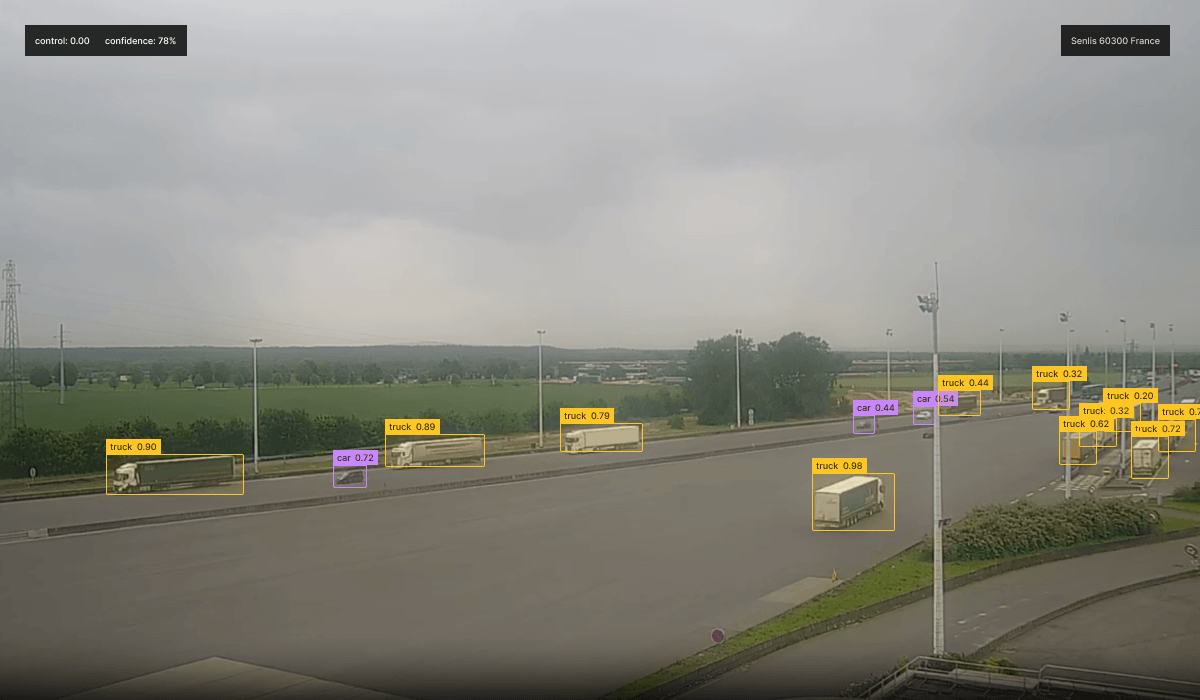
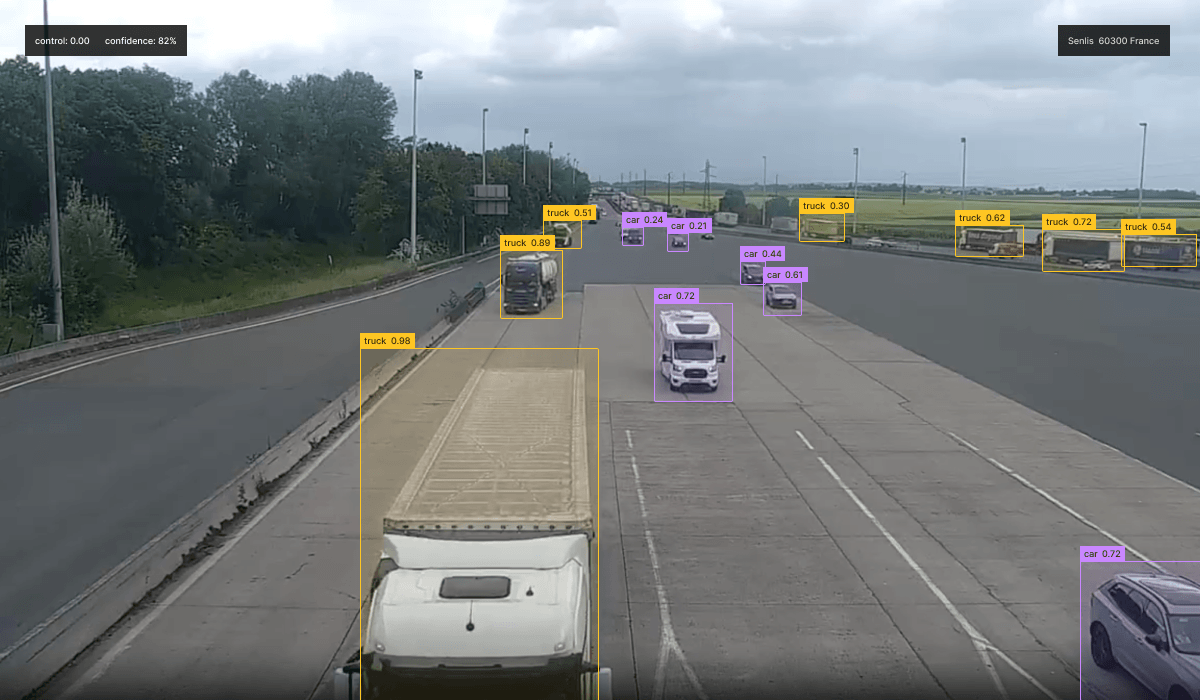
FleetIntel data comes from several sources: reports from dispatchers and drivers, closed trucking Telegram channels, Waze alerts and a visual recognition system that watches public cameras in the main control zones. When several independent sources point to the same place, the probability score goes up. You see one combined signal, not a single report.